Sehyun Park
designs how
soft robots move.
Undergraduate researcher in mechanical engineering, exploring the mechanical design and analysis of soft and continuum robots for medical and other real-world applications.
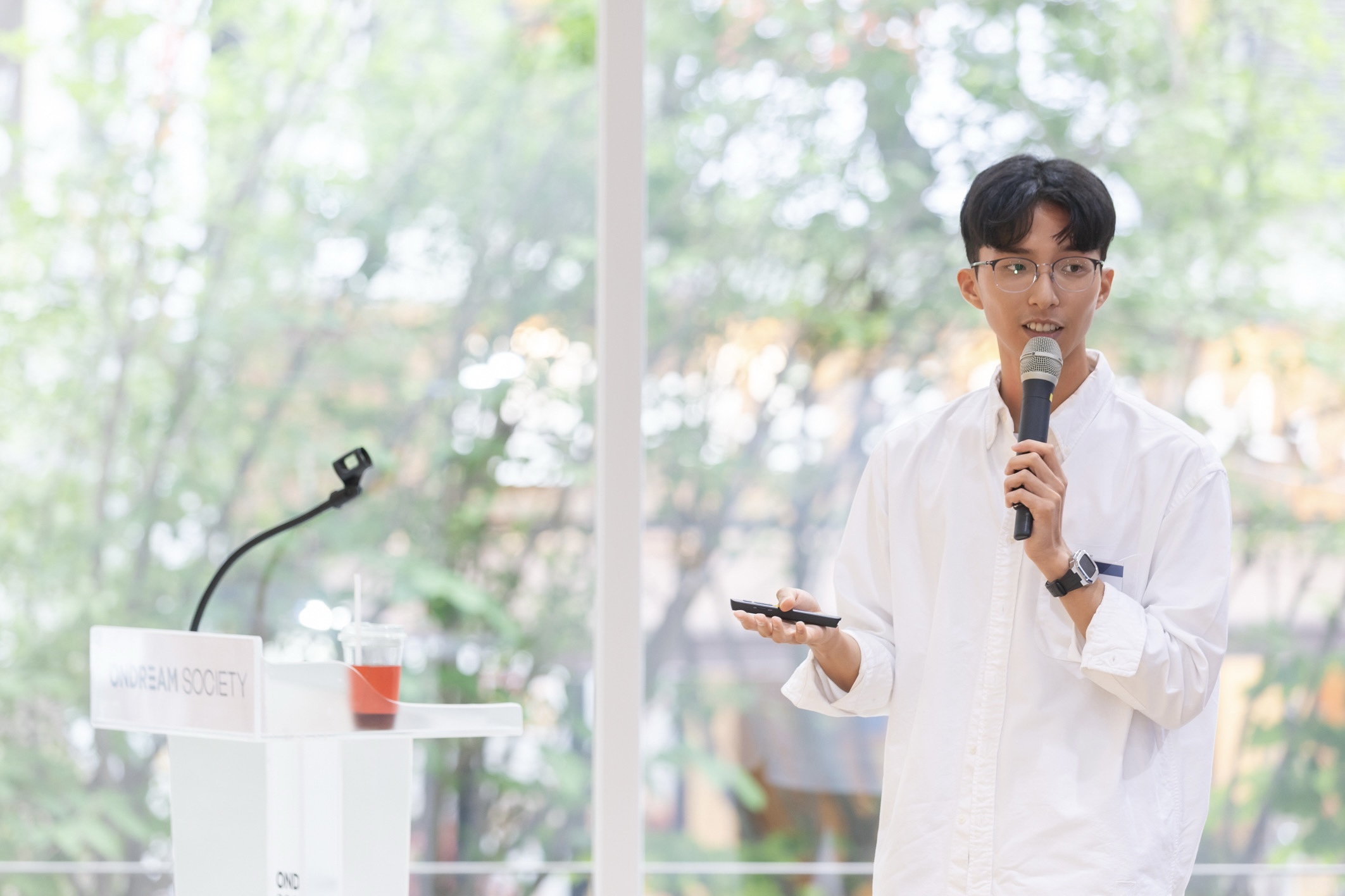
About
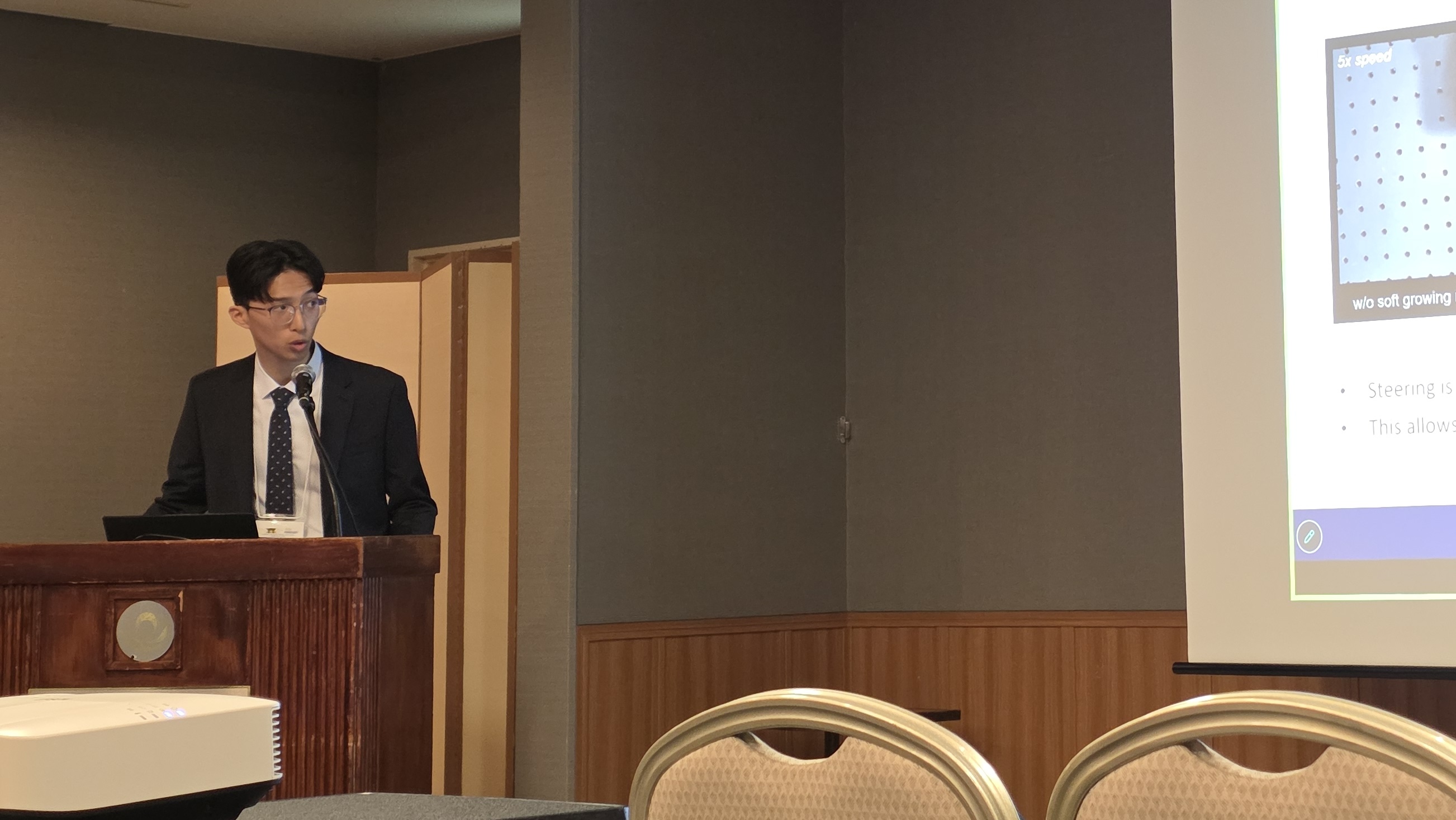
An undergraduate student whose research interest lies in designing and controlling robots that achieve compliant motion based on soft materials.
Building on a strong interest in soft robotics, I have broadened my understanding of the field through a range of research opportunities and am shaping my path as a researcher. I was advised by Prof. Tania Morimoto at the University of California San Diego, and by Prof. Hyungsuk Lee and Prof. Dongjun Shin at Yonsei University. Currently, under the guidance of Prof. Metin Sitti at the Max Planck Institute for Intelligent Systems, I am researching soft-robotics-based devices in the medical domain.
B.S. in Mechanical Engineering, Yonsei University
Cumulative GPA: 3.98 / 4.5
Exchange Student, University of California San Diego
GPA: 4.28 / 4.5
Undergraduate Researcher
Advised by Prof. Metin Sitti. Researching implantable medical devices functionalized with soft robotics.
Undergraduate Research Assistant
Advised by Prof. Dongjun Shin. Independent research on reducing unintended stiffness in a layer jamming mechanism using porous polymer; independent research on a CPG-based control strategy for pneumatic soft robots.
Undergraduate Research Assistant
Advised by Prof. Tania Morimoto. Fabrication optimization in a catheter-based hybrid continuum robot (HCR) project targeting the cerebrovascular system; pig-model preclinical experiments in collaboration with Stanford Medical School; independent research on a contraction vine robot (CVR) achieving contact-aided steering through pressure stimuli.
Undergraduate Research Assistant
Advised by Prof. Hyungsuk Lee. Participated in research on microparticle positioning techniques in microchannels using standing surface acoustic waves (SSAW).
Hyundai Motor Chung Mong-Koo Scholarship
Full tuition support for the undergraduate period, and support for academic conference participation during undergraduate and graduate studies.
Korea–U.S. Advanced Fields Youth Exchange Scholarship
Scholarship for the exchange period at UC San Diego ($18,000).
Books
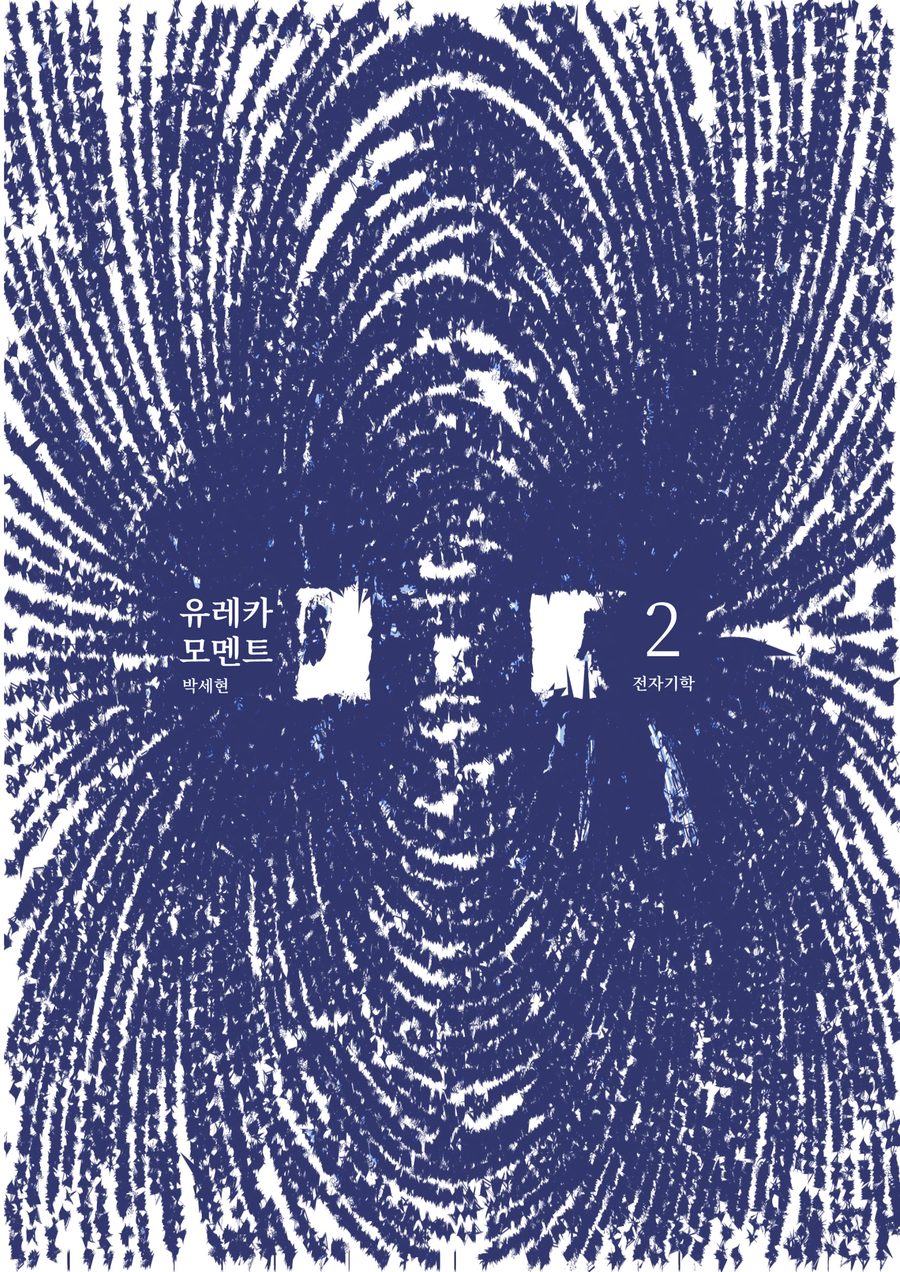
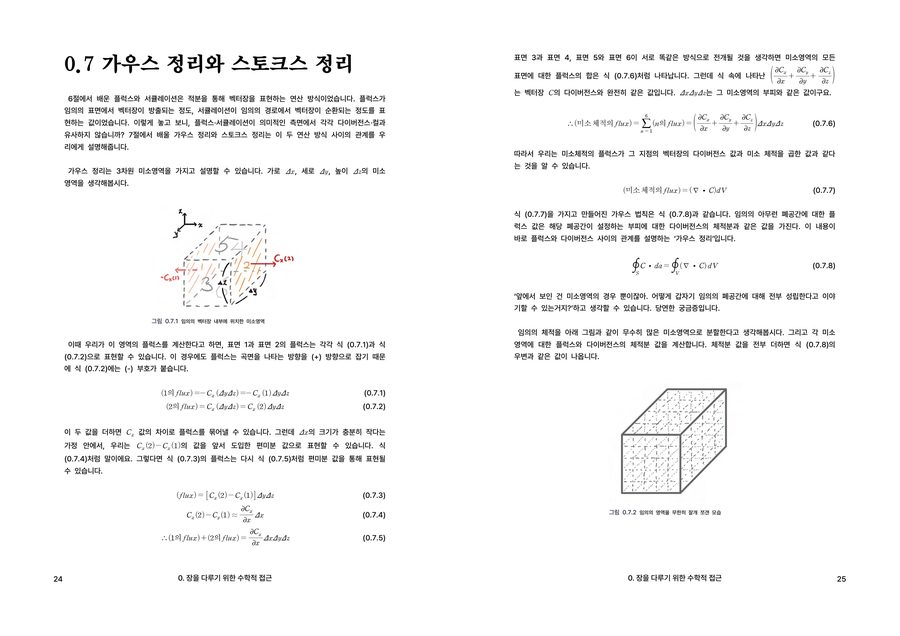
Project Eureka Moment is a writing project I have been carrying out since 2021, my first year of undergraduate study — publishing, in the format of a major textbook, what I have learned and understood in major courses from an undergraduate student's perspective. During the COVID period, when academic interaction was scarce, it served as a medium that fellow undergraduates could access and communicate through at the same time; for me, writing the books and reviewing and discussing them with my classmates became an opportunity to build a strong understanding of general physics and the foundational subjects of engineering as a whole. This project — still an archive of my academic understanding and an opportunity to organize it — is now being planned and written as Eureka Moment Bilingual, covering the four major mechanics subjects in Korean and English simultaneously, aiming at a global understanding of major knowledge.
More books are currently being written.
Eureka Moment 2: Electromagnetics
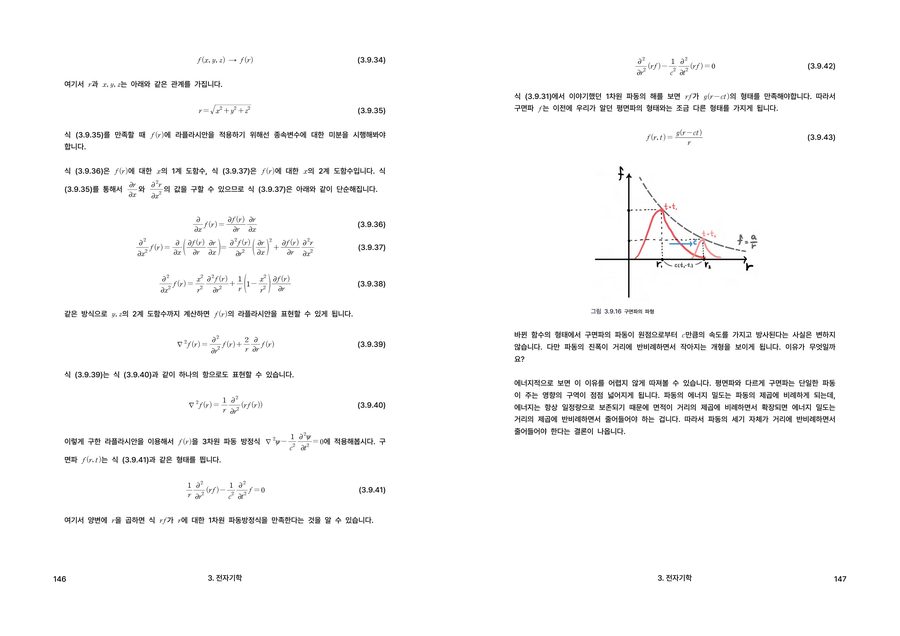
Following the author’s previous work published in March 2022, this book, published in March 2024, is a Korean-language textbook written to help undergraduate major students develop a deeper reflection on and understanding of electromagnetics. From the perspective of an author who is also an undergraduate student, the book derives and explains how each theorem in electromagnetics emerges, with particular emphasis on the process by which electricity and magnetism become connected from electrostatics and magnetostatics.
Eureka! Moment
Based on the scope of university physics covered by first-semester freshmen, this major textbook introduces the mathematical tools required to work with physics, and presents how the physical laws of work and kinetic energy, and of momentum and impulse, are derived through their formulas and what meanings they carry.
View Book
Research Projects
More research projects are currently in progress.
Serially Connected Soft Continuum Robot for Endovascular Emergencies
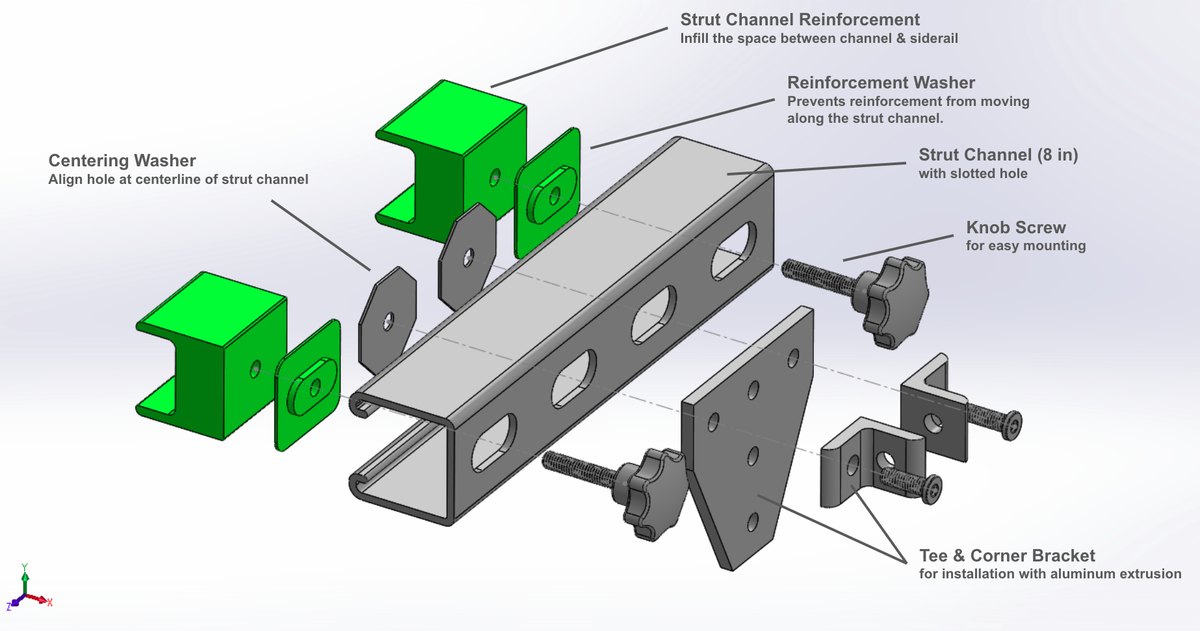
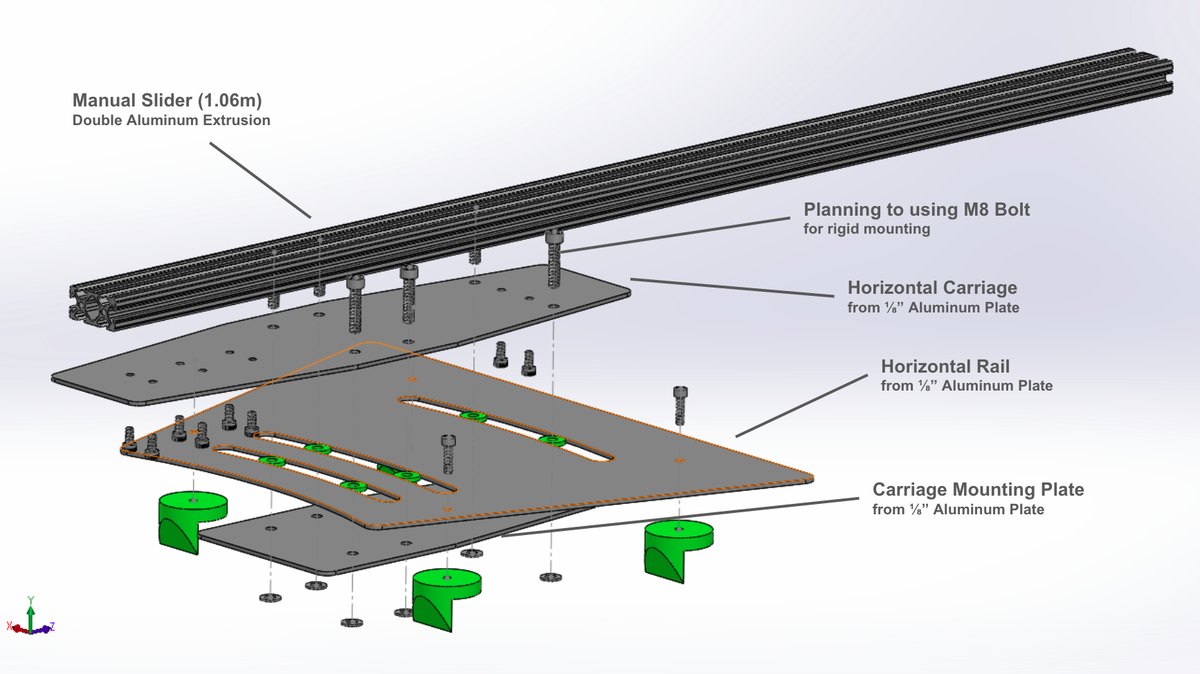
Participated in the follow-up study of Serially-Connected Soft Continuum Robots for Endovascular Emergencies, where I was responsible for miniaturizing the robot system — previously validated ex vivo — to meet the dimensional requirements of the actual clinical environment, and for establishing the corresponding fabrication process. I was also in charge of designing a system that mounts the robotic system on a surgical bed and allows its position and angle to be adjusted. In addition, based on the system built by our team, I contributed to preclinical experiments on a pig model at Stanford Medical School, helping demonstrate feasibility and propose directions for future research.
Contraction Vine Robot for Contact-Aided Steering
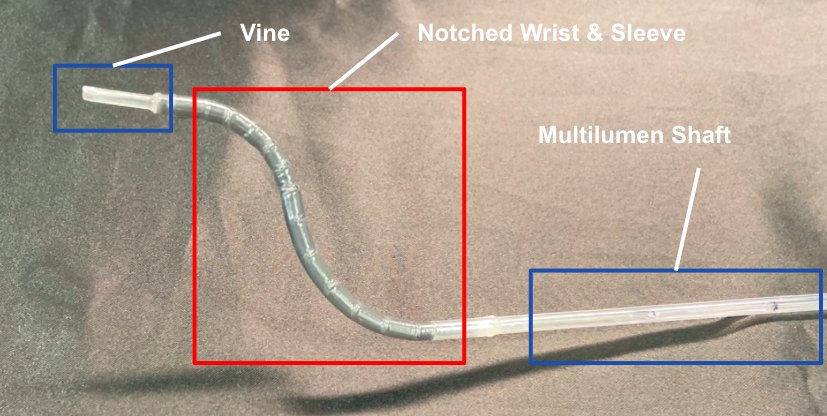
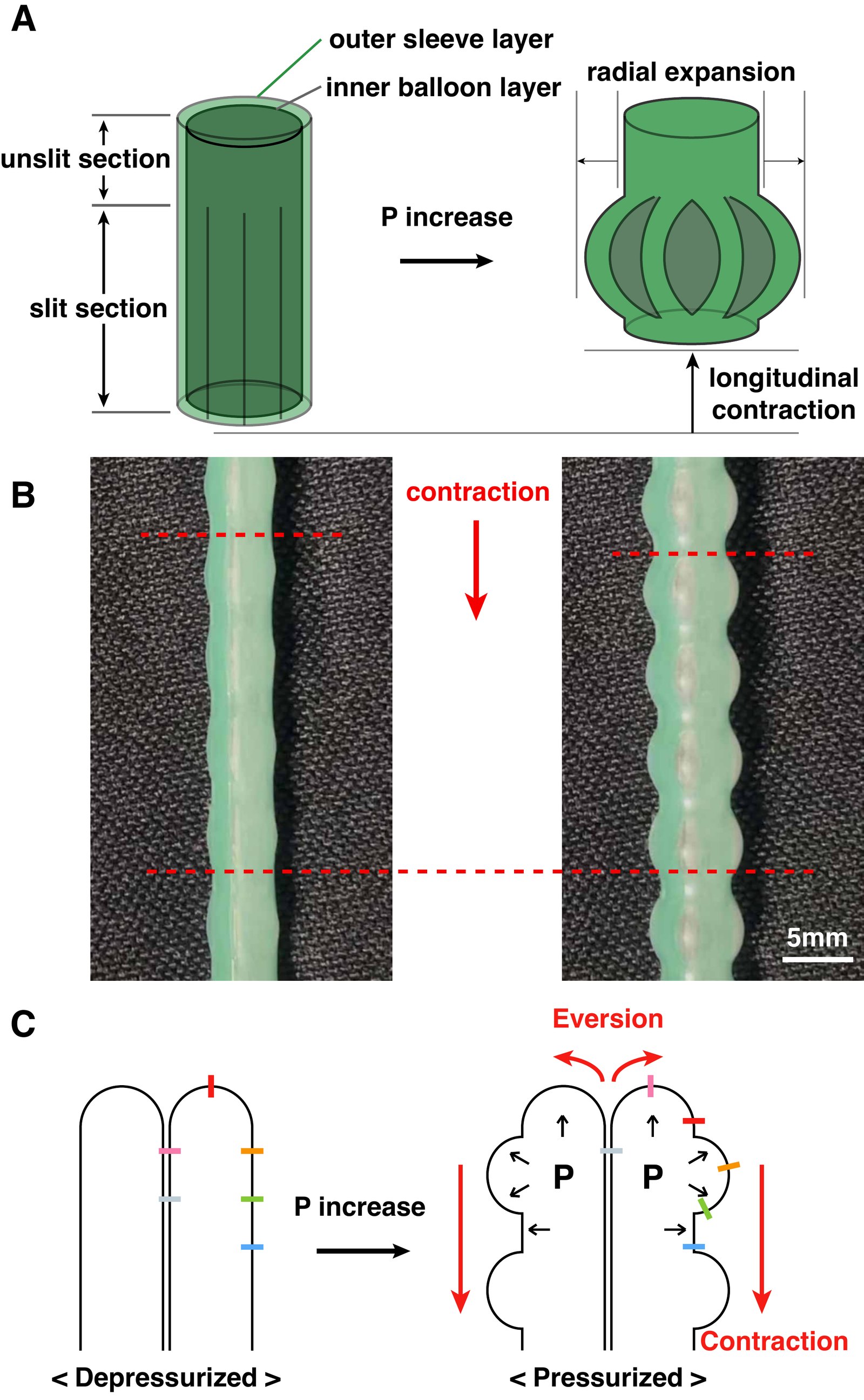
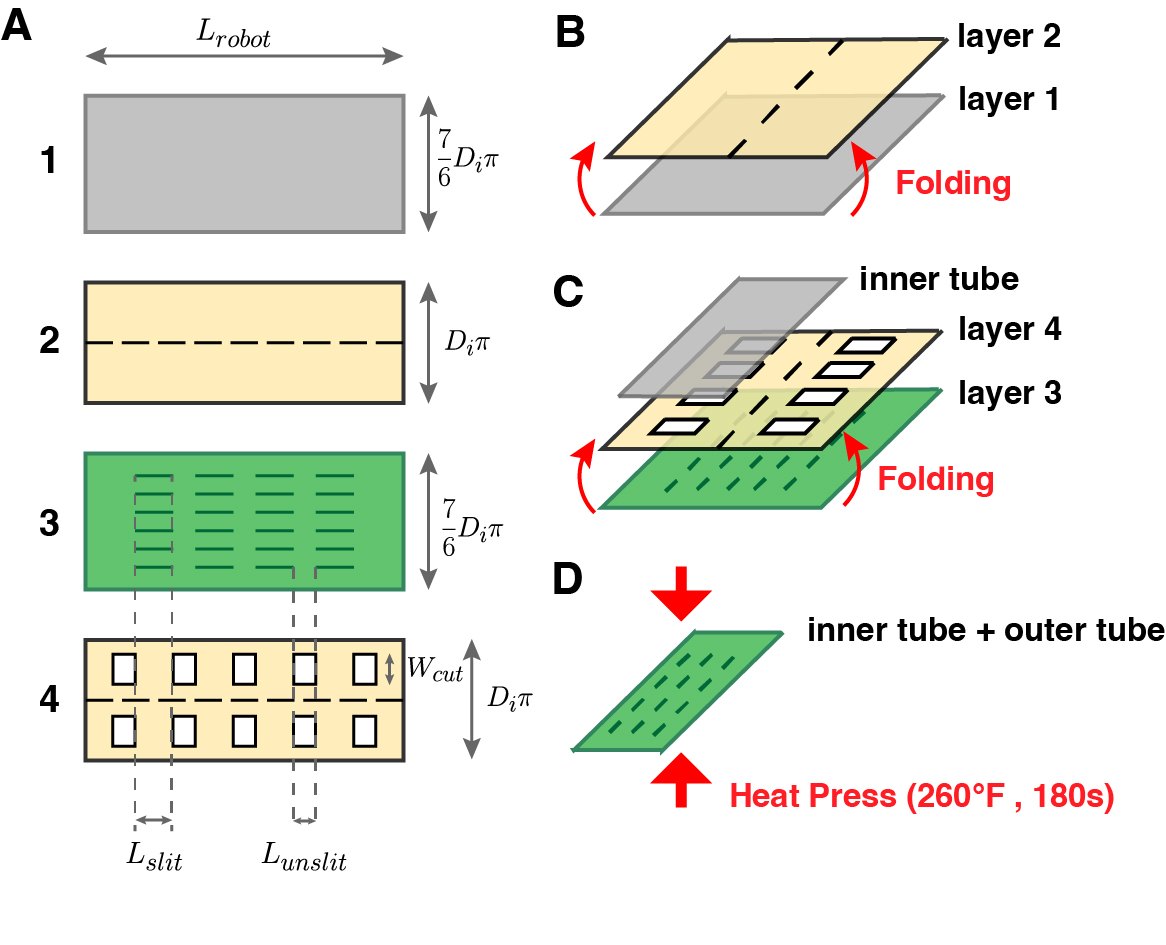
DOI: 10.1109/RoboSoft67810.2026.11522871Fabricated a bilayer vine robot with a slitted outer skin and applied dynamically oscillating pressure, showing that the robot's shape change under pressure oscillation — including contraction — achieves higher steering capability at lower pressures than the conventional passive steering approach based on buckling.
Learning Projects
Learning projects do not carry the completeness or academic novelty of a finished research project. Rather, they are projects I carry out as a way of studying new fields, or fields I do not yet fully understand, in the course of my research and learning. Each project is written in paper format and published on Zenodo.
Control Strategy for Pneumatic-Based Soft Robots
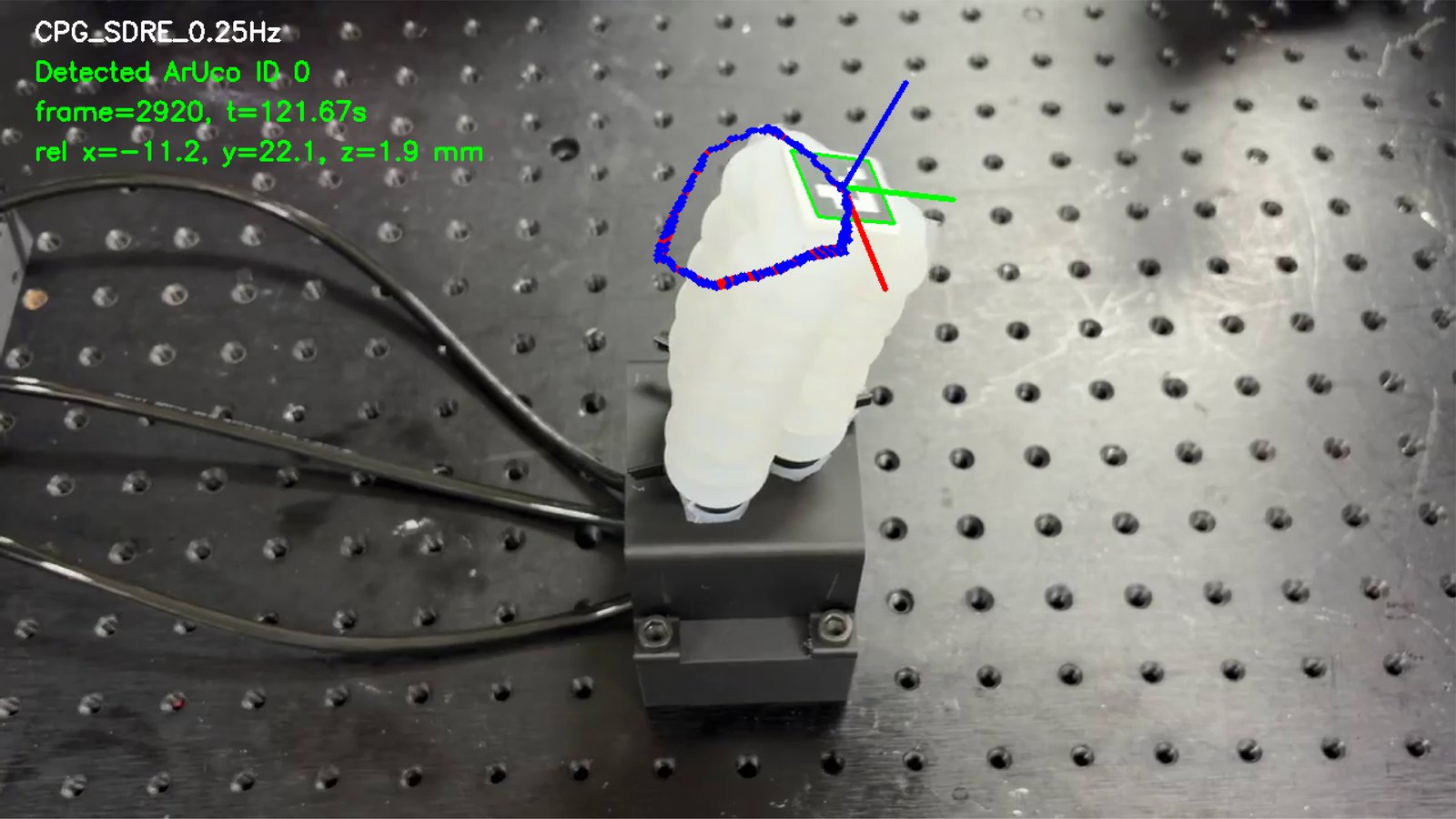
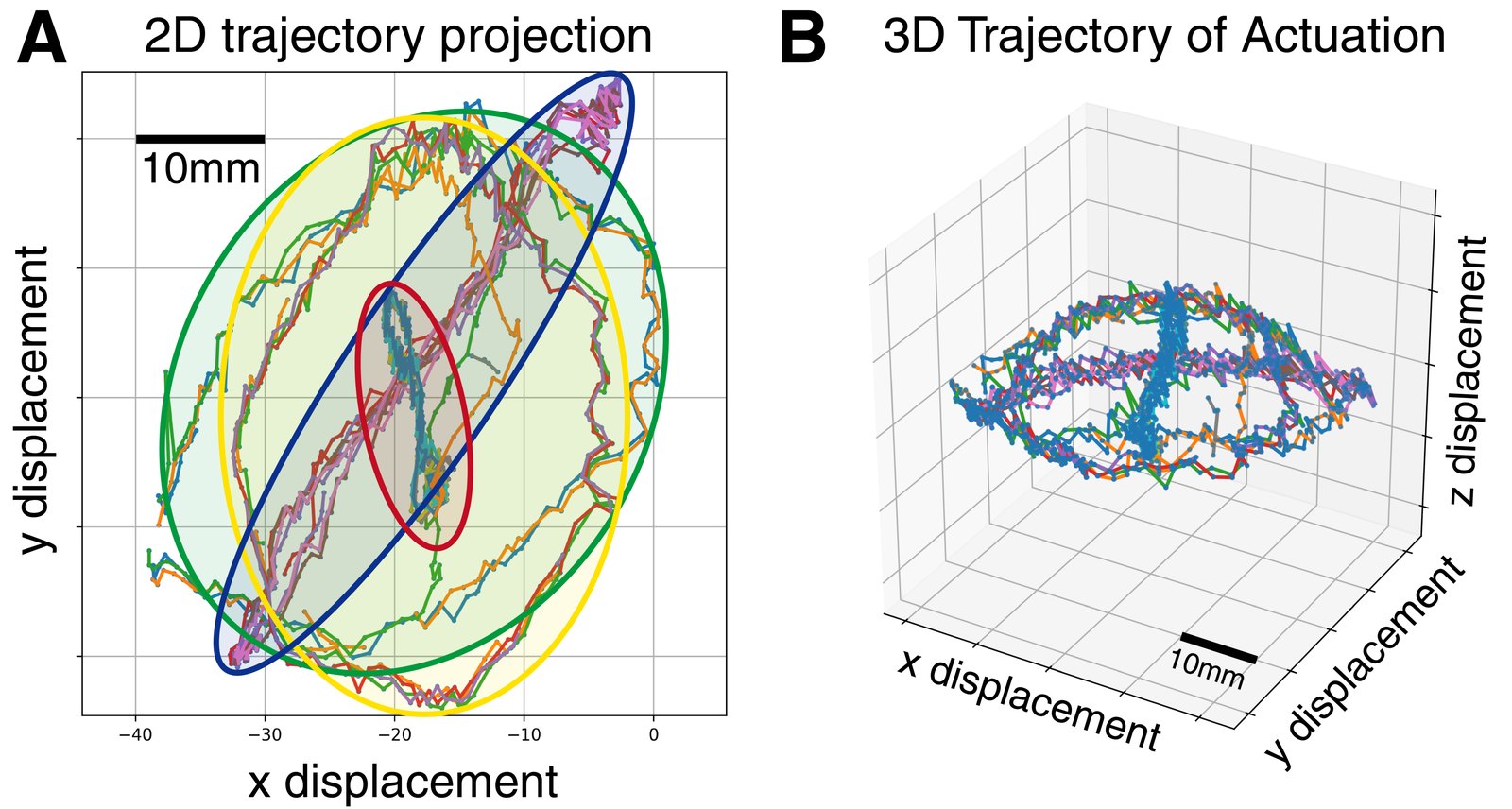
DOI: 10.5281/ZENODO.21667383A project to satisfy my research curiosity about software-based control and mechatronics and to gain a deeper understanding of them. Based on the fact that most soft robots for locomotion operate by repeating actuation profiles, a central pattern generator (CPG) produces coupled pressure signals for each channel, while feedforward and nonlinear compensation controllers drive the solenoid valves — achieving control stability and high similarity between identical actuation profiles.
Porous Polymer-Based Frictional Area-Separating Layer Jamming Mechanism (FASLJM) for Tunable Stiffness Profiles
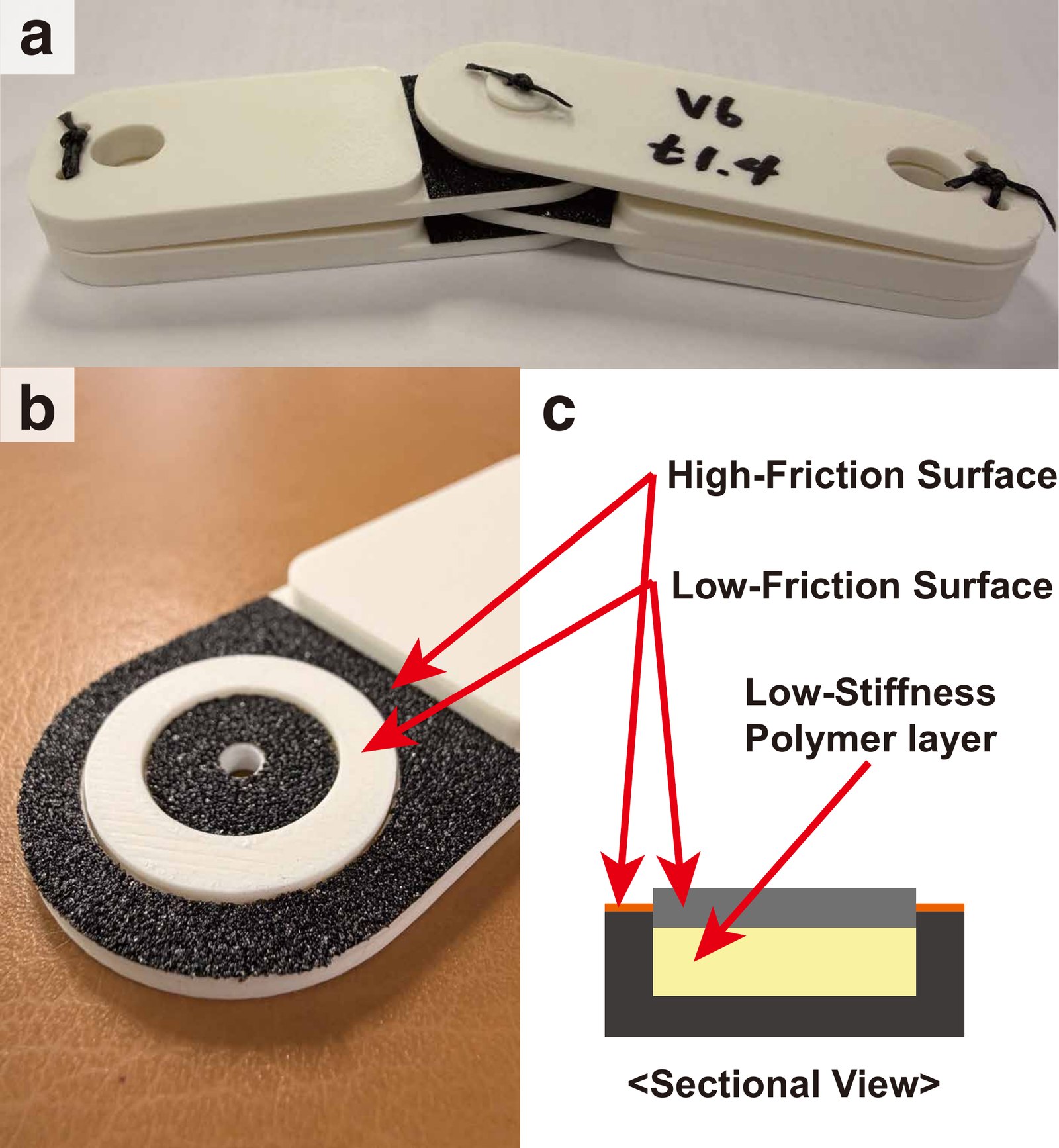
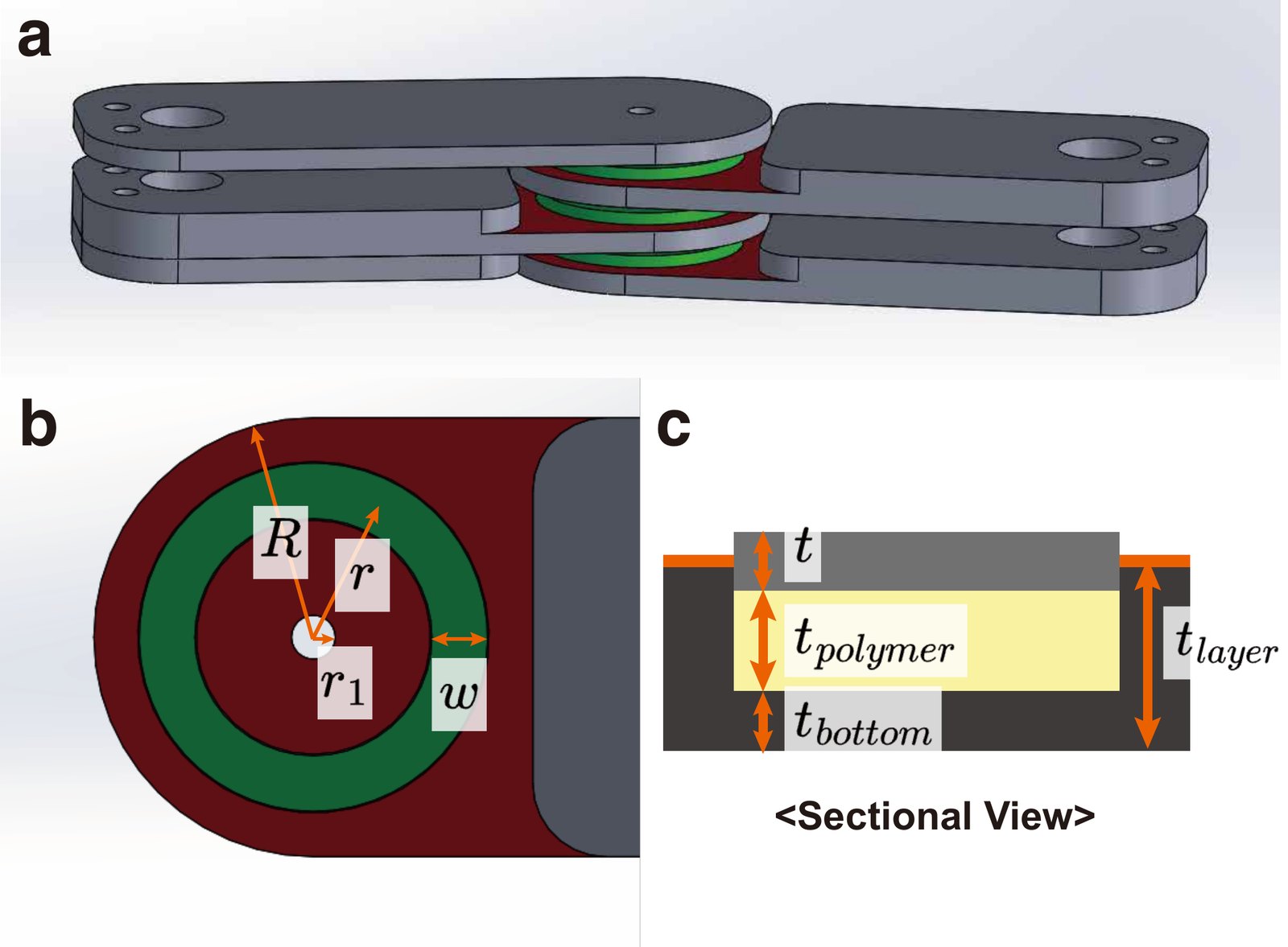
DOI: 10.5281/ZENODO.21022232A project undertaken to study robots with higher rigidity than my previous research experience and to learn the field of wearable robotics. To reduce the unintended stiffness arising in the layer jamming mechanism studied at the Human-centered AI Robotics Lab, I redesigned the mechanism by inserting a porous polymer layer inside it, so that the friction coefficient drops sharply below a critical pressure.
Let's build
something soft.
Open to research collaborations, lab opportunities, and conversations about soft robotics.